Some industrial operators collect large volumes of photos and videos from remote sites. One of the main challenges is reviewing and prioritizing large volumes of images at scale. Even when the images are clear and useful, teams still need a reliable way to identify which frames contain conditions that require attention.
What AI Image Analysis Looks Like in Practice
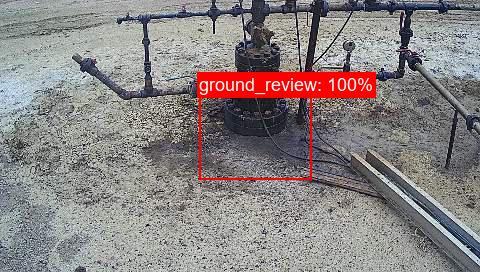
Wave9 applies AI leak detection and image analysis to automatically identify specific, defined conditions in optical and thermal imagery.
Current supported detections include:
- Oil leak detection
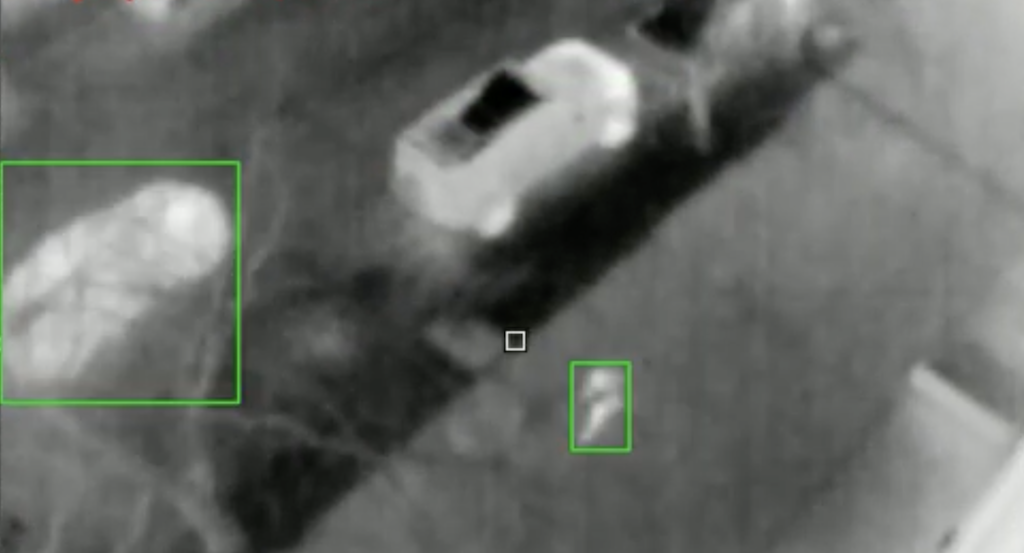
- Vehicle detection
- People detection
When a condition is detected, the system flags the image for review. Instead of scanning every frame, operators focus only on the images where a relevant event has been identified.
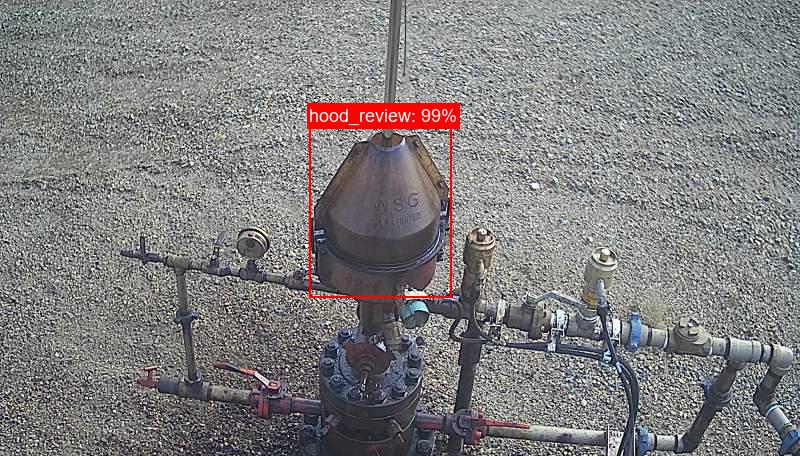
This does not replace human judgment. Operators should review flagged images and make operational decisions based on analytics. The difference is that they are reviewing prioritized events rather than searching through hundreds of routine photos.
Thermal imaging adds another layer of value. In certain environments, heat signatures can reveal conditions that are less visible in optical imagery. Vehicle detection in thermal video, for example, can support monitoring in low-light or remote areas. The same approach can be applied to thermal-based leak detection proof-of-concept scenarios.
Reducing Human Error in Visual Inspection
There is substantial research showing that human error rates increase in repetitive inspection tasks, especially when reviewers must identify rare events within large datasets. Fatigue and attention drift reduce detection accuracy over time.
AI image analysis addresses this limitation by applying consistent evaluation criteria across every frame. Instead of relying solely on human vigilance, the system performs continuous screening and surfaces images that meet defined detection parameters.
This reduces the number of images operators must evaluate and increases the likelihood that relevant events are identified early.
Planning With Prioritized Visual Data
The operational benefit is straightforward.
When Wave9’s AI flags a site, operators can review the relevant images before driving out. They arrive prepared with the right equipment and a clearer understanding of conditions.
Without AI assessment, operators may either:
- Drive to site without knowing what to expect
- Review large batches of images manually
- Delay visits until someone has time to inspect footage
With AI-based image analysis and prioritization:
- Only flagged conditions are reviewed
- Site visits are scheduled based on actual need
- Preparation improves because context is available in advance
The AI results narrow or filter the list of photos for operators so that attention is directed to the right photos, but by it’s nature AI doesn’t provide definitive outputs. It is an aid to the operator, not a replacement.
Separating AI Capability From Integration Flexibility
Wave9 is built with an API-first architecture. This allows customers to integrate detection results into their existing dashboards, alerting systems, or reporting workflows.
It is important to distinguish between two concepts:
The AI models are designed to detect specific conditions such as oil leaks, vehicles, and people.
The API-first structure determines how those detection results are delivered and consumed.
The integration layer provides flexibility in workflow. The detection models define what is identified in images or video.
Moving From Raw Visual Data to Operational Signal
AI leak detection and image analysis reduce manual review, improve consistency, and support earlier identification of defined conditions. Operators remain in control of decisions, but they work from a filtered and structured set of visuals rather than an unmanageable stream of images.
For teams managing distributed assets, this shift improves visibility without increasing workload and reduces reliance on repetitive manual inspection. Contact us to learn more.